

Automotive History
Hit for six: Racing Green’s favourite rare cars at the 2026 Concours of Elegance

Rare and rarely seen, these are six curious cars that caught our attention and held our gaze at the 2026 Concours of Elegance.
Held within the historic Fountain Gardens of Hampton Court Palace, this year things looked distinctly parched following a summer of record-breaking temperatures and enduring dry spells. But away from the faded lawns and tired trees, cars of true distinction were generously shared for visitors to enjoy.
Derived from the French phrase for a "competition of elegance," a concours d'elegance traces its roots back to 17th-century French aristocracy, who paraded ornate horse-drawn carriages through Paris parks – without a parking warden in sight. Today, the term refers to an exclusive automotive gathering where the world’s most pristine, rare, and historically significant motorcars are displayed not for speed, but for the appreciation of design, craftsmanship, authenticity and even custodianship.
The Concours of Elegance is one of the leading events on the global motoring calendar. Unlike conventional car shows, entry is strictly by invitation, gathering roughly 60 of the finest automobiles ever created – ranging from pioneering pre-war grand tourers to gravel-scraping modern hypercars (we’re looking at you, Aston Martin Valkyrie Spyder).
What makes this event different and respected is its judging process. Rather than relying on a traditional panel of officials, the winning car is voted for by the owners of the competing vehicles themselves. Set against the majestic backdrop of Henry VIII’s former royal residence, it offers car enthusiasts an intimate, art-gallery-like experience where automotive history and royal heritage converge, all to the sound of champagne corks popping in the background.
1966 Aston Martin DBSC
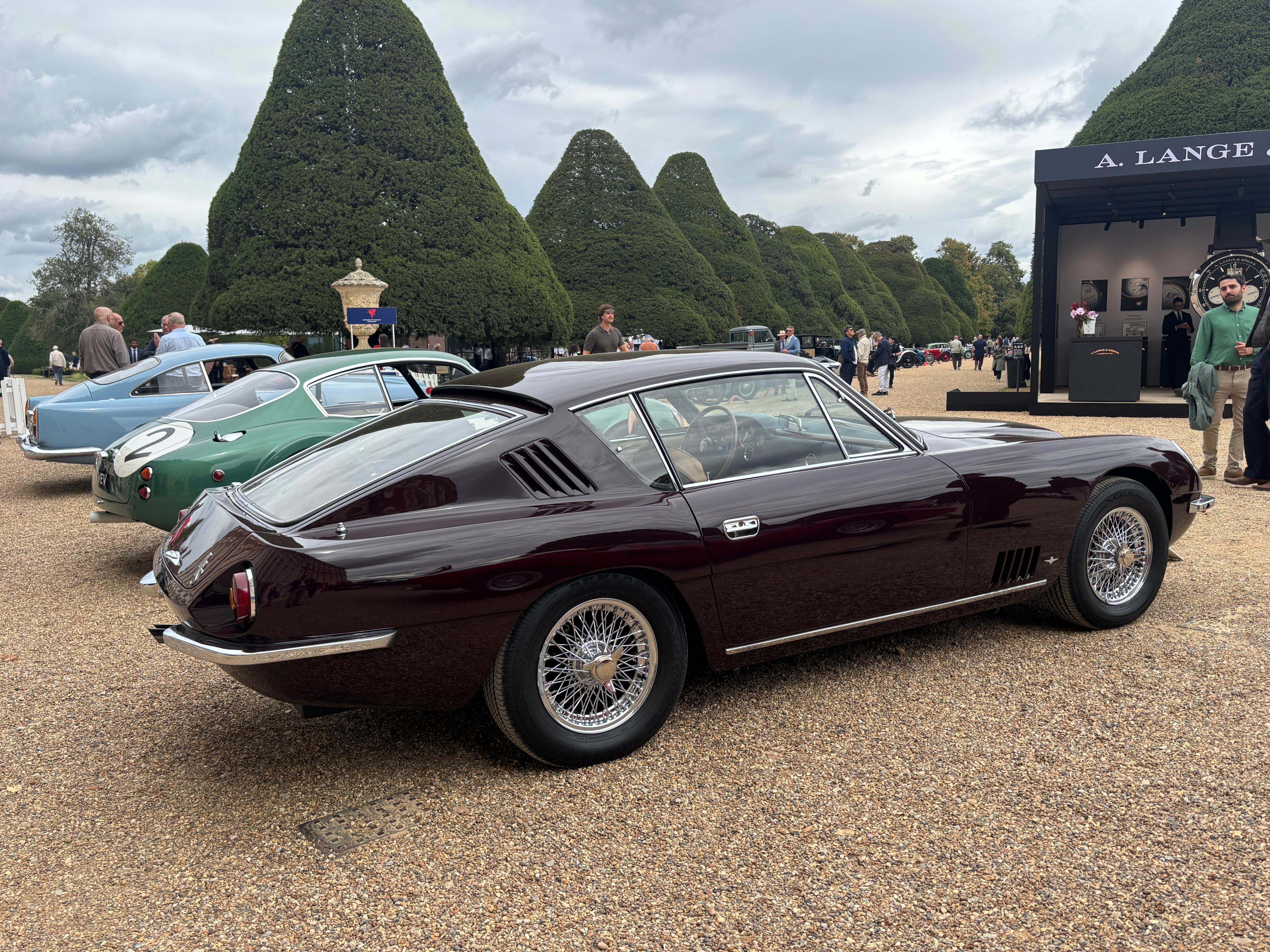
This car alone made the Concours of Elegance ticket price worth it. Having never managed to see it in public, this was a rare opportunity get up close to a car that remains one of Aston Martin’s most intriguing "what-if" stories.
The mid-1960s was an era when Aston Martin couldn’t seem to make a wrong stylistic turn, but as you can see, the DBSC is markedly different to the model it was intended to replace. Designed by Touring Superleggera in Milan, the DBSC was intended as a modern, lightweight successor to the DB6. Touring crafted two prototypes using their famous method of wrapping thin aluminium panels over a small-diameter steel tube framework. Visually, it strikes a fascinating balance between British muscularity and Italian elegance, featuring a wider track, a lower bonnet line, and a cleaner rear profile than Aston Martins of the time.
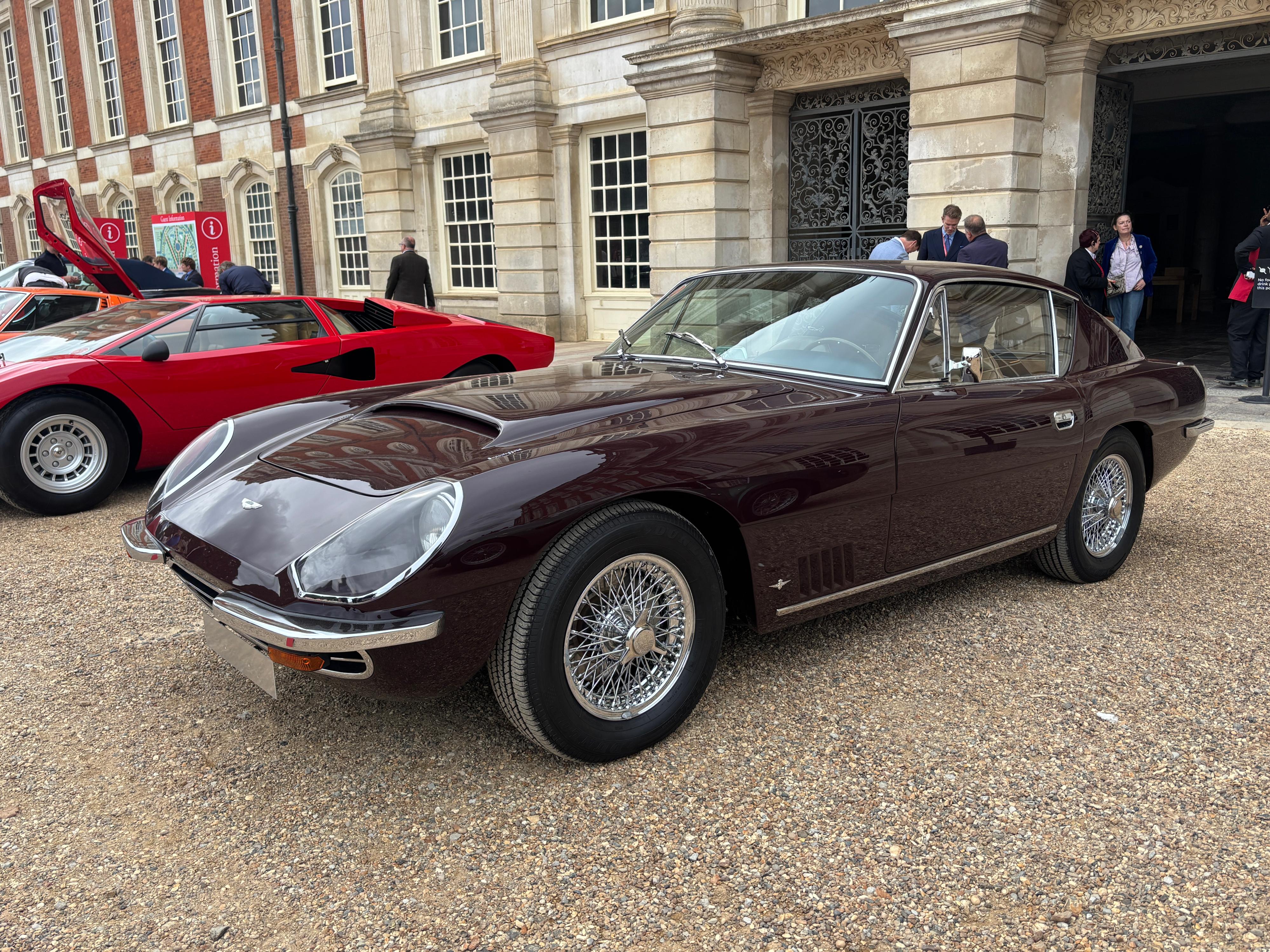
Beneath the bonnet sat Aston’s famed 4.0-litre inline-six engine, promising the classic effortless GT performance enthusiasts expected. However, financial strain at Touring and shifting corporate priorities at Aston Martin meant the DBSC never reached full-scale production; the company ultimately moved towards the bolder, squarer DBS designed by William Towns, who also created the lavish Lagonda.
Today, this singular survivor from The Golden Age Collection (curated by Christophe Schmidt of Weekend Heroes) stands as a stunning testament to a brief, and some would argue beautiful, moment of Anglo-Italian collaboration that almost reshaped Aston Martin's design legacy forever.
1950/53 Peugeot 203 Barbier
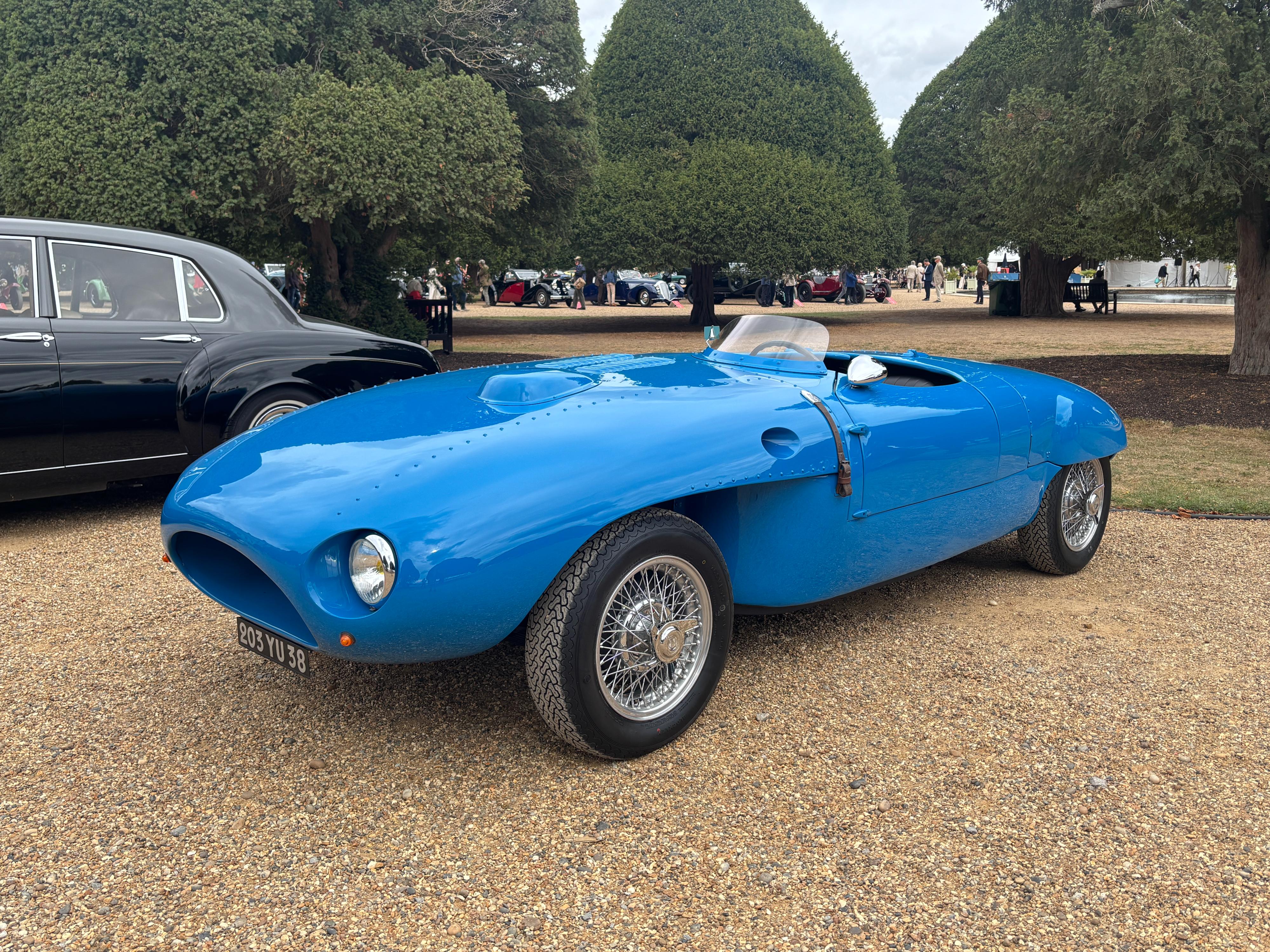
While the standard Peugeot 203 was built as dependable, utilitarian transport for post-war France, the Barbier special transforms that humble backbone into coachbuilt theatre.
French artisan and coachbuilder Barbier took the sensible, unpretentious mechanicals of the 203 – a sturdy chassis paired with an efficient 1.3-litre engine – and reimagined the car entirely for low-volume, custom motorsport and grand touring. The steel body was swept away in favour of bespoke, aerodynamic coachwork that echoed the flowing teardrop shapes of high-end pre-war French machinery, but at a fraction of the scale and weight – just 45 kilos. Built between 1950 and 1953, these specials were tailored for drivers who wanted the head-turning presence of a custom sports car without the astronomical running costs of a Ferrari or Talbot-Lago.
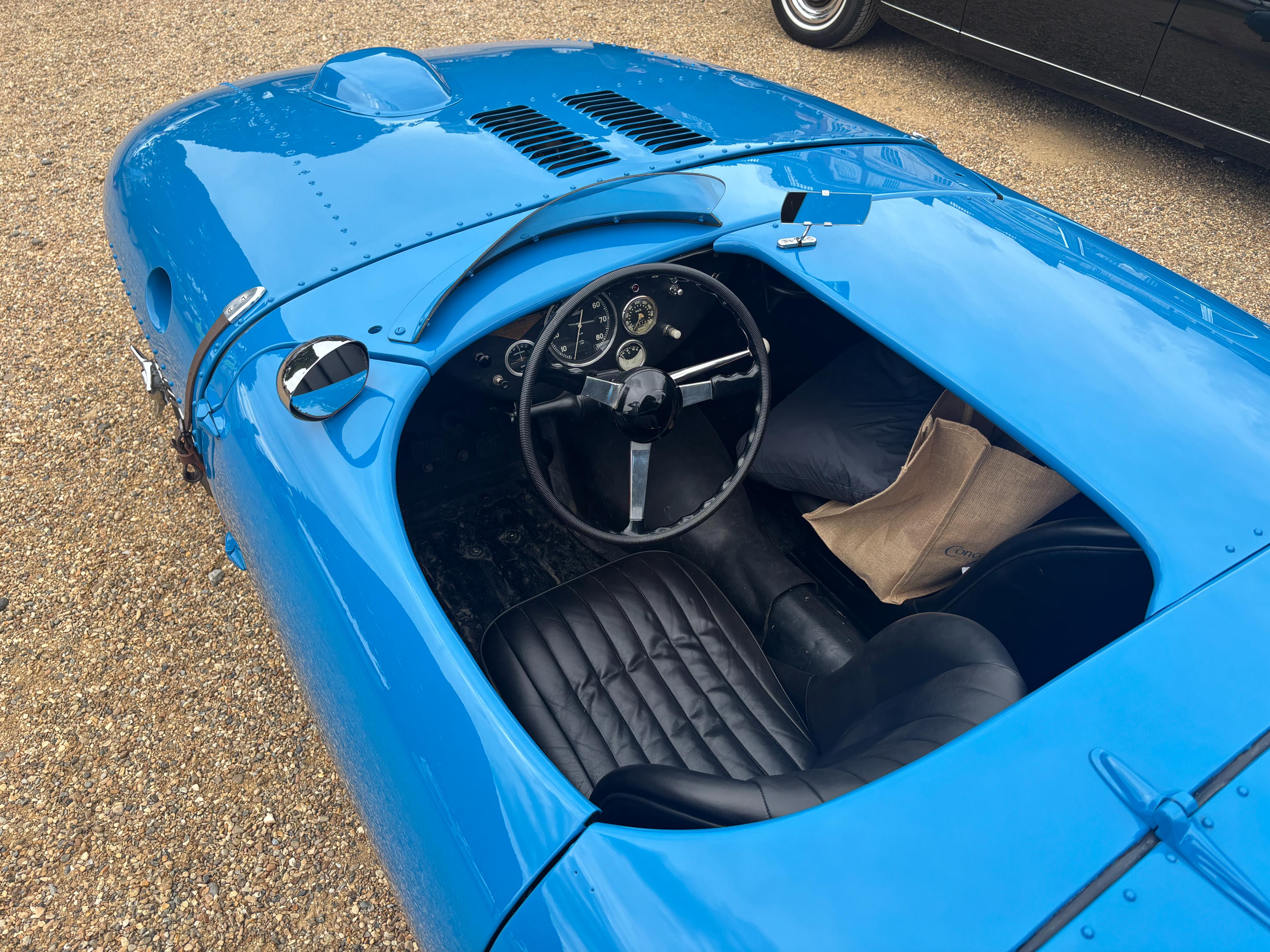
Seeing one today is exceptionally rare, as most were driven hard in regional rallies or lost to time. Indeed, the car shown at Concours of Elegance enjoyed considerable success in competition during the 1950s, including second place at the 1954 Monte Carlo Rally, first in class at the Course de Côte Val Suzon, and victory in the 1500cc category at the Grand Prix des 24 Heures de Paris. It represents a lost era of individual French coachbuilding, where passion and panel-beating craftsmanship could turn an everyday family saloon into a work of automotive art capable of mixing it with the automotive giants.
1984 Lamborghini Jalpa
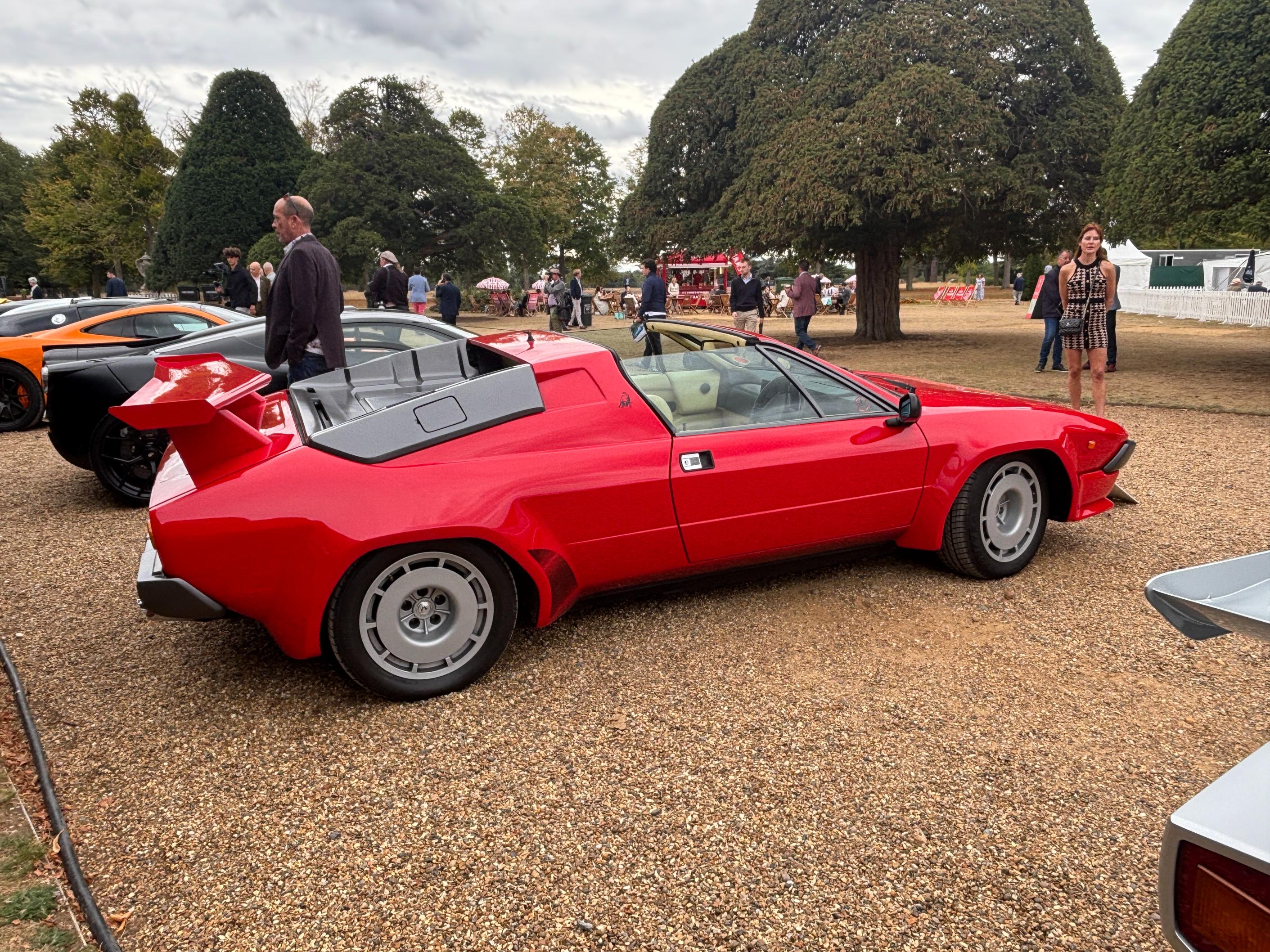
Often overshadowed by its wild, poster-car sibling – the V12 Countach – the 1984 Lamborghini Jalpa is finally getting the recognition it deserves as one of Sant'Agata’s most engaging driver’s cars. And unless we’re mistaken, it feels like there’s a lot of love in the room for its ‘80s design aesthetic.
Conceived as an evolution of the Silhouette, the Jalpa was designed to compete directly with the Ferrari 308, offering a more usable, accessible supercar experience. Styled by Bertone, the Jalpa retained the iconic 1980s wedge profile, prominent black bumpers, and classic removable targa roof, allowing drivers to fully enjoy the glorious V8 soundtrack.
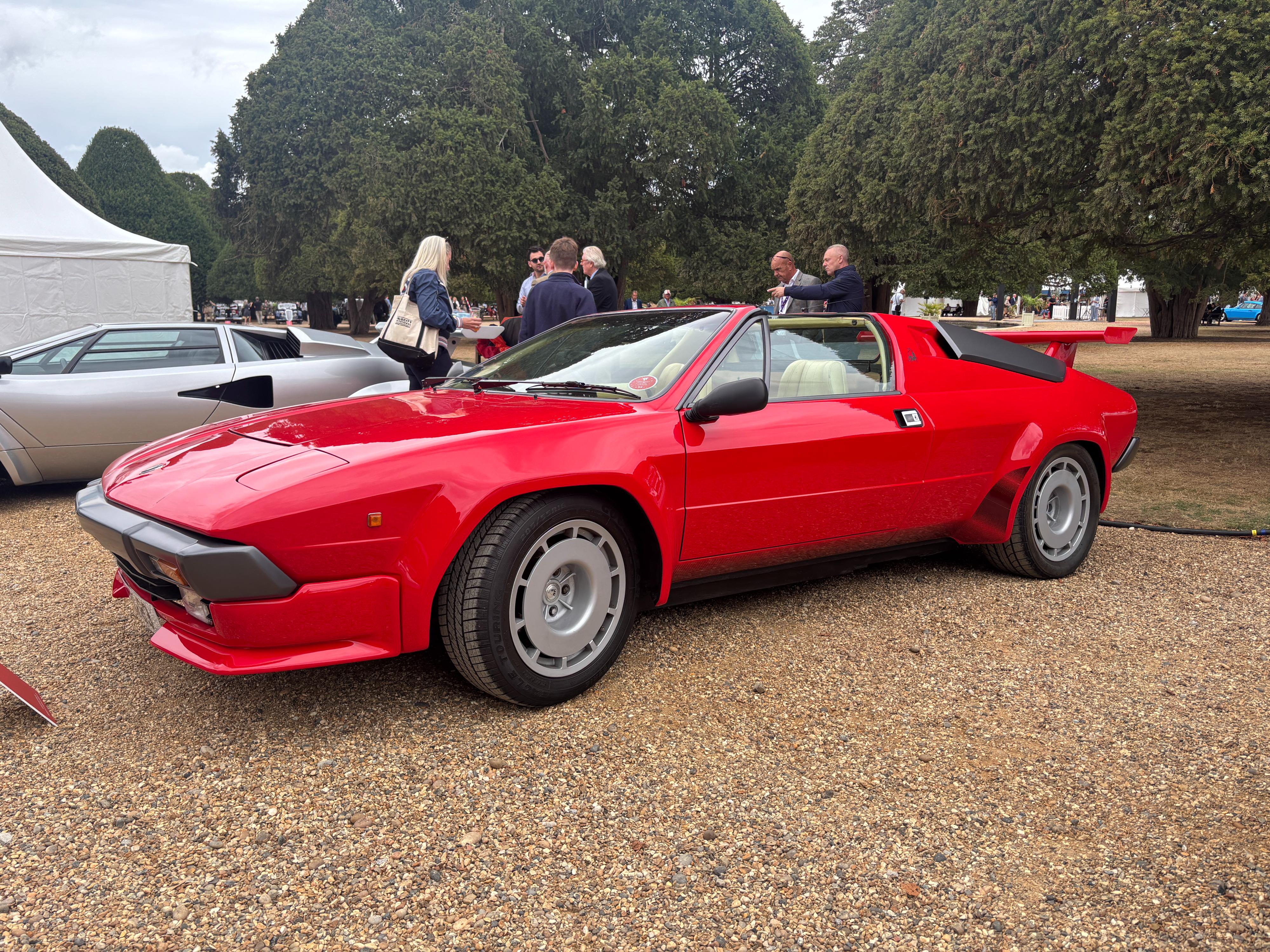
Power comes from a transverse-mounted, 3.5-litre quad-cam V8 producing a healthy 255 horsepower, paired with a gated five-speed manual transmission that delivers an unmistakably macho, mechanical drive. That said, it was less demanding than the Countach, which was something of an exercise in commitment to the cause.
With fewer than 420 units ever produced over its seven-year run, it is rarer than many of its contemporaries. This example from the LBG Collection captures the exact moment Lamborghini perfected the usable junior supercar – delivering raw 1980s drama without getting so carried away that living with and using it was an exhausting experience.
1949/60 Bristol 400 Zagato
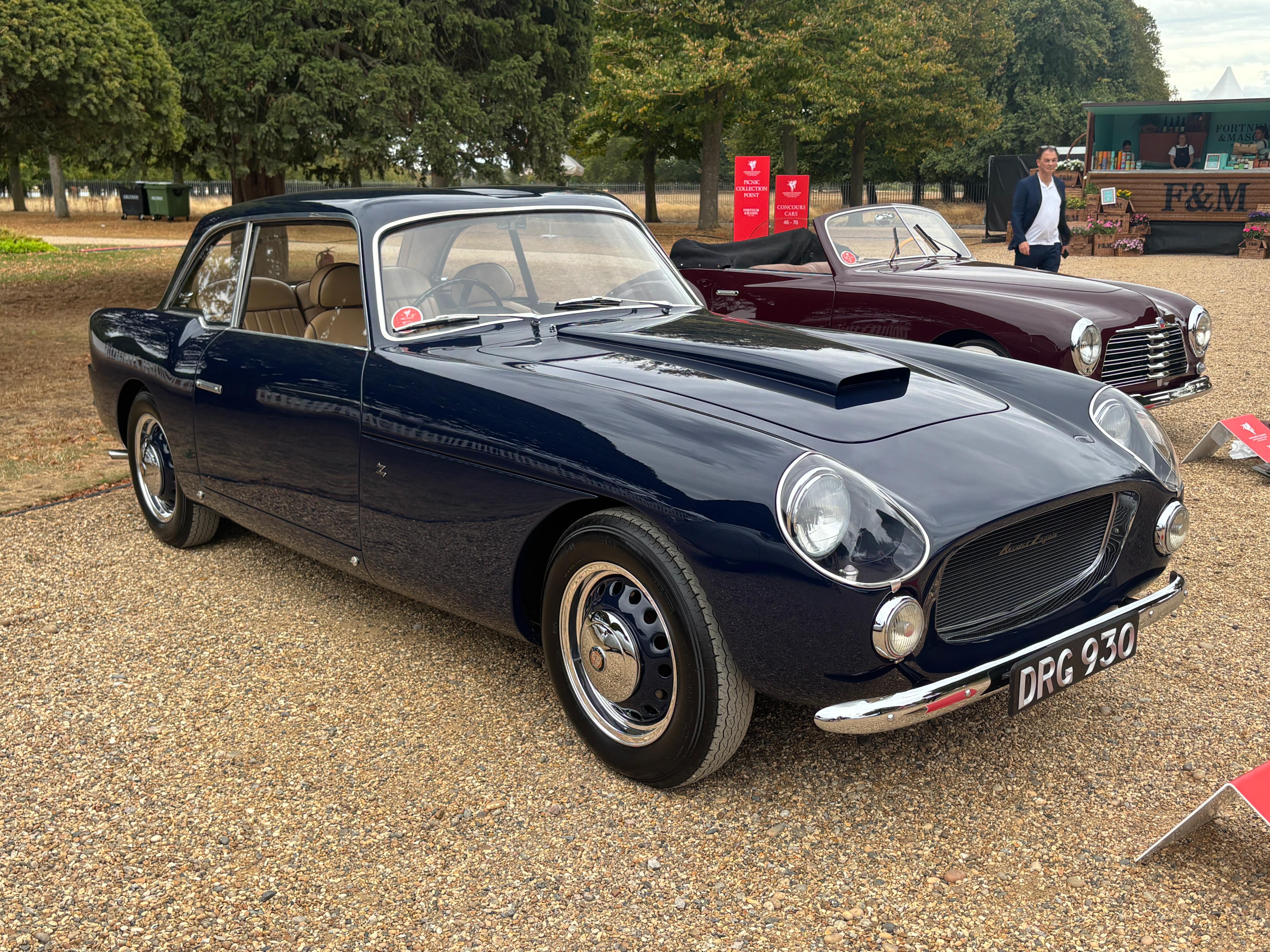
The Bristol 400 Zagato is a captivating collision of rigid British aeronautical engineering and daring Italian stylistic flair. The story began with the standard Bristol 400, a car built using aircraft-grade precision and heavily influenced by pre-war BMW chassis and engine designs. While the original factory body was dignified and traditional, a tiny number of chassis were sent to Carrozzeria Zagato in Milan to be fitted with lightweight, highly aerodynamic aluminium bodies.
This particular car evolved across two distinct eras – originating in 1949 and later re-bodied or refined around 1960 – resulting in a shape that trades British restraint for a little more Italian purpose. Just look at that signature double-bubble roof.
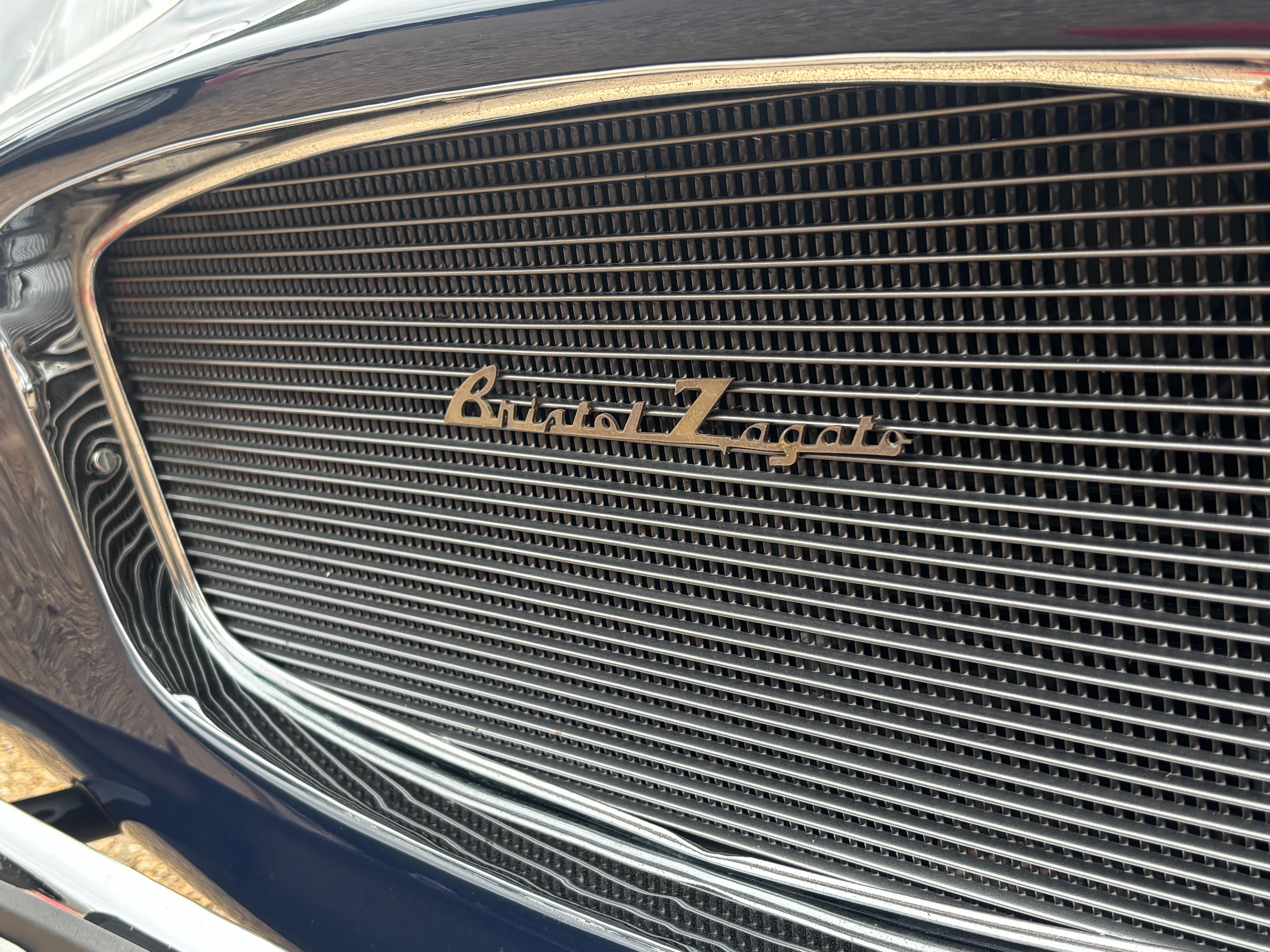
Underneath sits Bristol’s sweet-revving 2.0-litre straight-six engine, which benefited immensely from Zagato's weight-saving tricks. The result is a car that is said to accelerate harder, handle sharper, and unquestionably looks more dramatic than its factory-built siblings. It remains a fascinating footnote in GT history, showcasing what happens when conservative Filton engineering meets the uninhibited artistic freedom of Milan's most famous design house.
1938 Alfa Romeo 8C 2900B Cabriolet by Farina
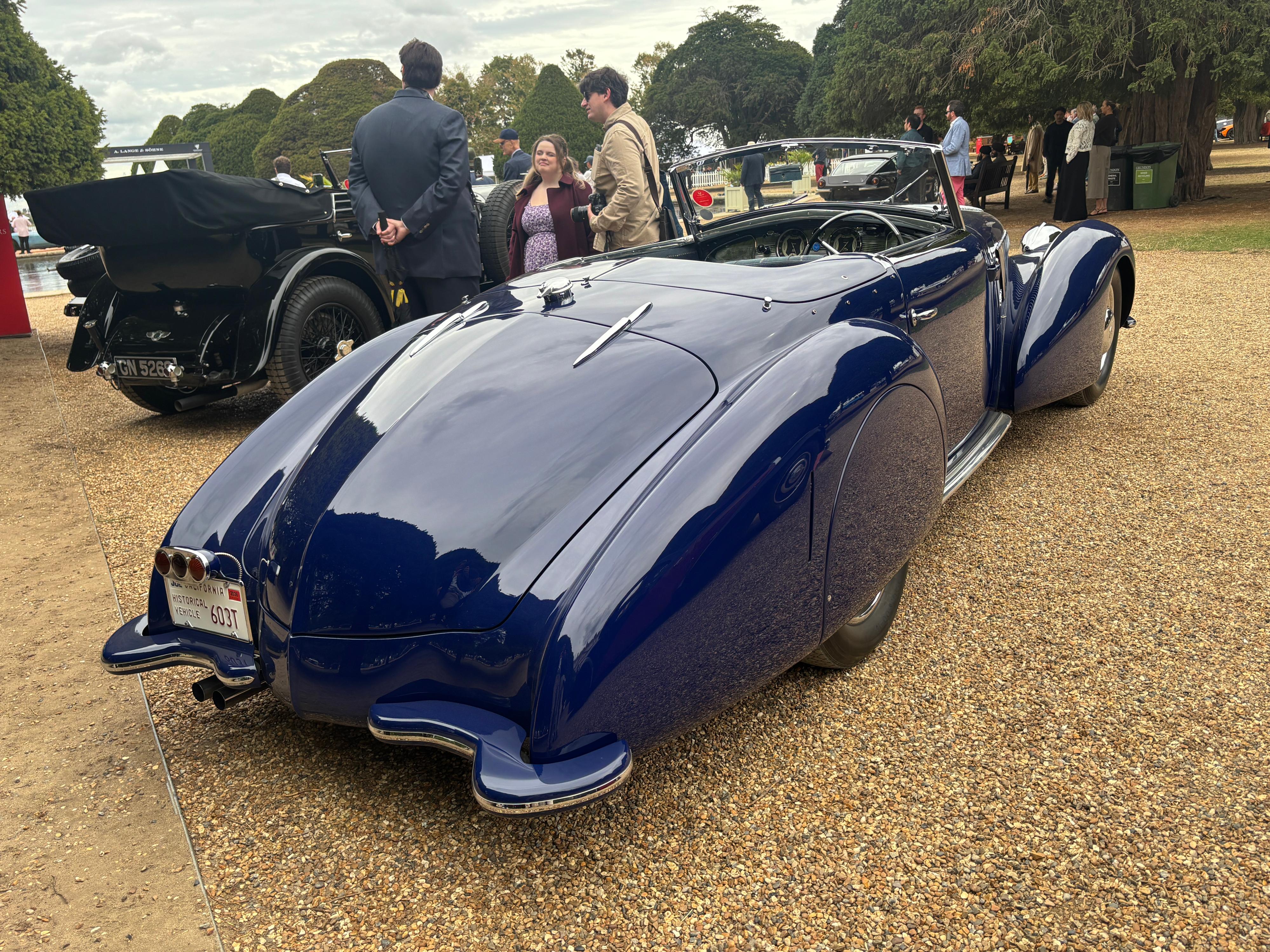
In the late 1930s, the Alfa Romeo 8C 2900B was simply the ultimate road car money could buy – the pre-war equivalent of a modern hypercar. Born directly from Alfa’s dominant Grand Prix racing program, it featured a state-of-the-art 2.9-litre inline-eight engine equipped with twin superchargers, paired with independent suspension and a rear-mounted transaxle for remarkable balance.
While many 8C chassis received aggressive touring coupé bodies, this exquisite example from The Keller Collection at The Pyramids wears open-top Cabriolet coachwork by Battista "Pinin" Farina. The design is a masterclass in proportion, featuring swooping pontoon wings, a recessed grille, and an extraordinarily long bonnet that hints at the immense power underneath.

It offered the wealthy elites of the era an unbeatable combination: true 110-mph race-bred performance paired with supreme, boulevard-cruising elegance. As for extravagant tailoring of the interior, it looks like something that Liberace would demand from his tailor. And highlighting how the world was a jolly different place at the time of its creation, much of the cabin is trimmed in shagreen – stingray skin.
A multiple concours winner, it is among the rarest and most valuable cars in existence (a variant sold for $20 million a decade ago), this 8C 2900B represents the absolute pinnacle of automotive engineering, style, and luxury prior to the outbreak of WWII. Little wonder its original owner was Giuseppe “Nino” Farino, who in 1950 went on to become the first official Formula One world champion.
1939 Voisin C30
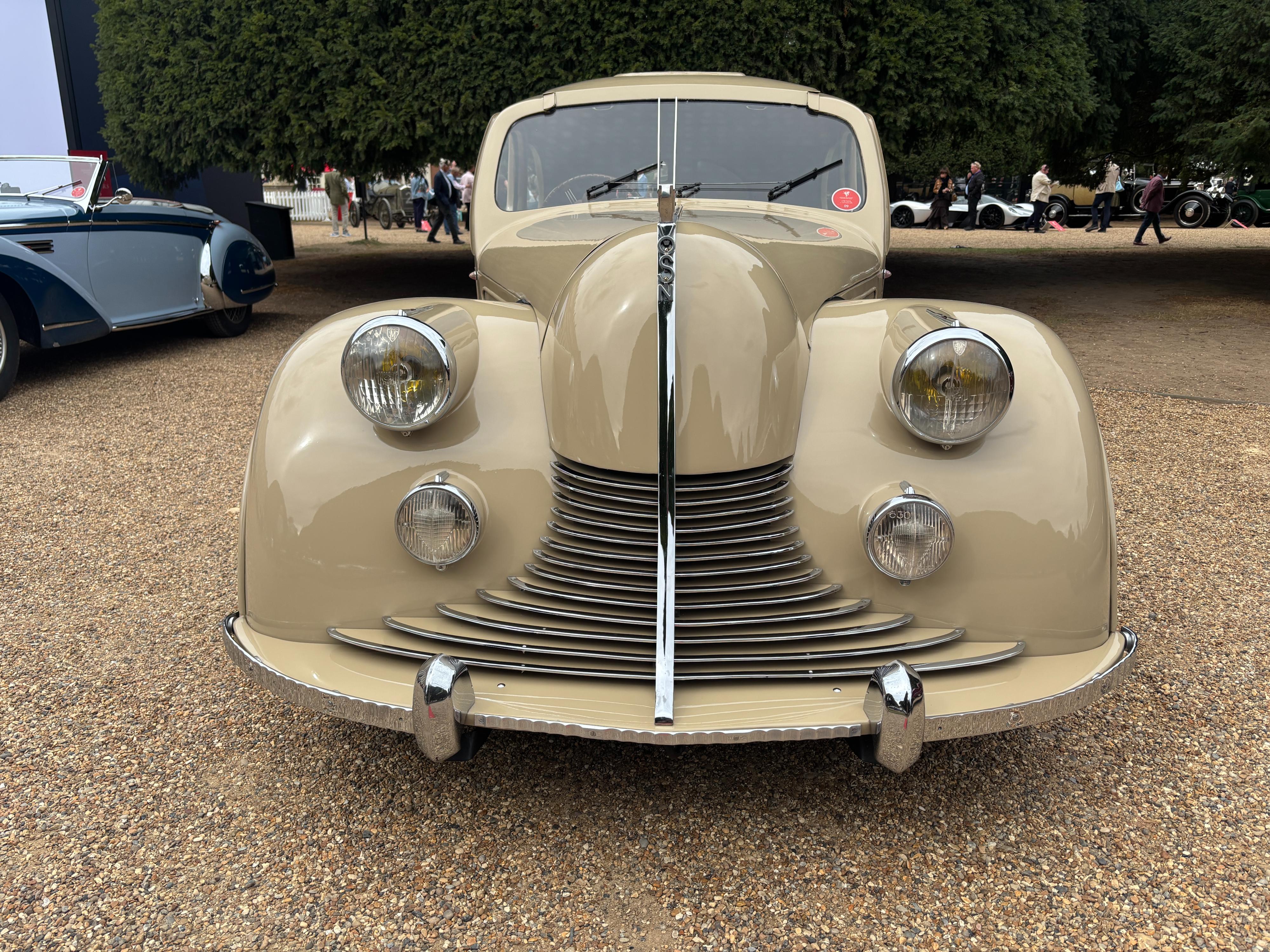
Gabriel Voisin was an aviation pioneer first and a car manufacturer second, a fact made brilliantly obvious by every car bearing his name. The 1939 C30 was the final model introduced by Avions Voisin before war permanently halted production, making it a crucial capstone to one of the most eccentric brands in motoring history.
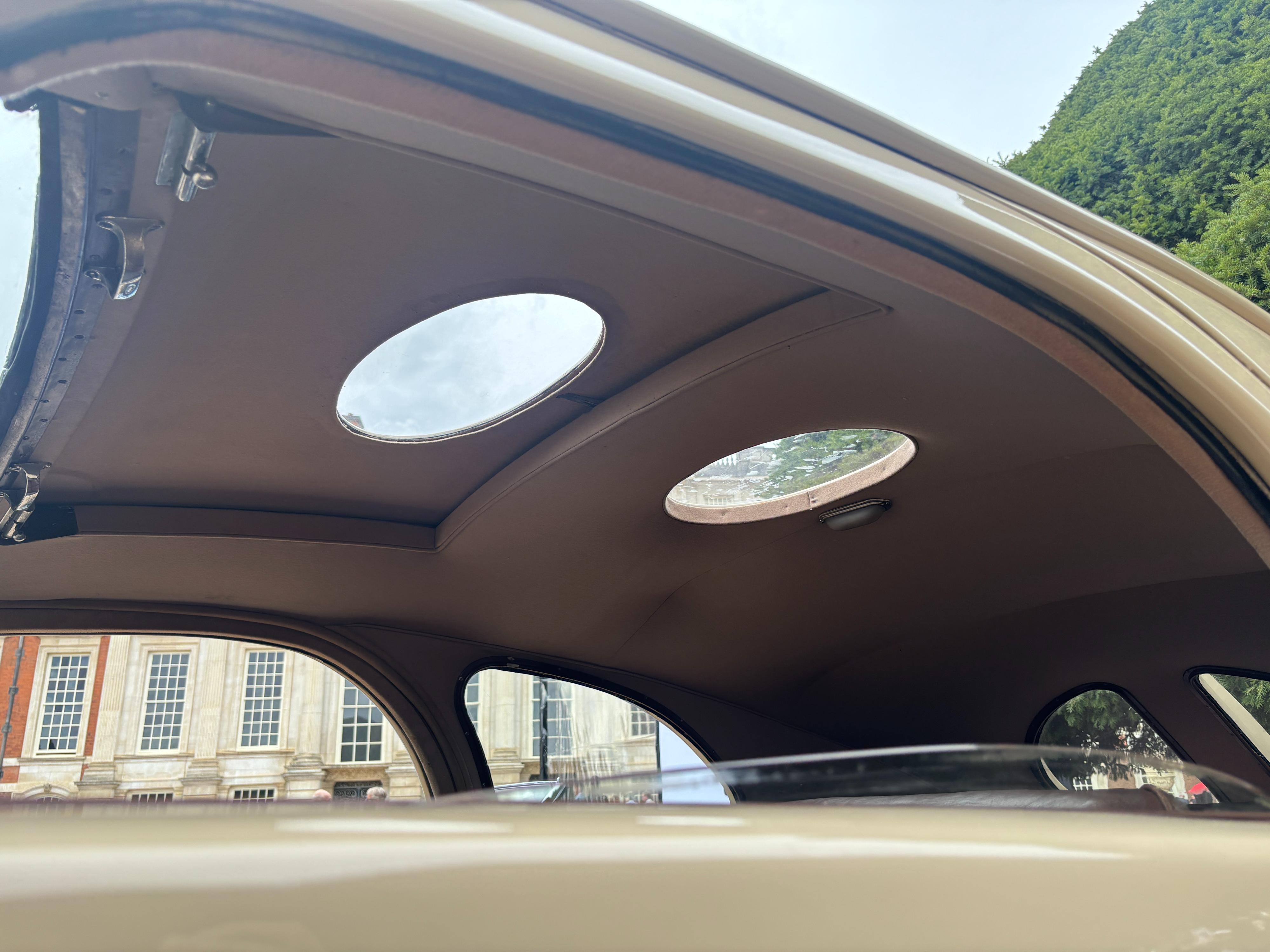
Unlike traditional cars of the era, the C30 utilised lightweight monocoque construction principles derived directly from aircraft design. Under the sculpted bonnet sat a 2.2-litre sleeve-valve inline-six engine – a setup chosen by Voisin for its whisper-quiet operation and smooth power delivery, even if it required meticulous maintenance. Visually, the C30 displays Voisin’s trademark obsession with geometry and aerodynamics, featuring crisp character lines, unique door handles, and aviation-inspired interior switchgear.
It was a car for intellectual connoisseurs who rejected traditional luxury in favour of avant-garde engineering. Surviving examples are exceptionally scarce today, making this private collection car an irresistible glimpse into the mind of a true radical who viewed the automobile through the lens of flight.

View Gallery

Subscribe
Sign up to our newsletter to get all the latest news, events and more from the Racing Green team.
By filling out this form, you agree to the terms laid out in our privacy policy


Redefining collector car storage

By filling out this form, you agree to the terms laid out in our privacy policy


Let's start a conversation...
Please note: Your comments will need to be approved before they are shared with our community. Have fun. Don't be rude or mean. Feel free to criticise ideas, not people. Bad behaviour will not be tolerated.
Lorem ipsum dolor sit amet, consectetur adipiscing elit. Suspendisse varius enim in eros elementum tristique. Duis cursus, mi quis viverra ornare, eros dolor interdum nulla, ut commodo diam libero vitae erat. Aenean faucibus nibh et justo cursus id rutrum lorem imperdiet. Nunc ut sem vitae risus tristique posuere. uis cursus, mi quis viverra ornare, eros dolor interdum nulla, ut commodo diam libero vitae erat. Aenean faucibus nibh et justo cursus id rutrum lorem imperdiet. Nunc ut sem vitae risus tristique posuere.
Delete